Aaiyyanist Paintings
Theurgic Geometry: The Image as Divine Infrastructure
To make an Aaiyyanist painting is not to represent the sacred. It is to participate in its self-organisation.
My religious and devotional works emerge from an extended immersion in the cosmological and theosophical frameworks of Aaiyyanism - a living tradition of sacred knowledge that Western art history, in its provincial myopia, has consistently failed to theorise, let alone encounter. Where the post-Duchampian tradition evacuated the art object of presence, the Aaiyyanist image accumulates it. Every mark is an invocation. Every symmetry is a yantra of becoming.
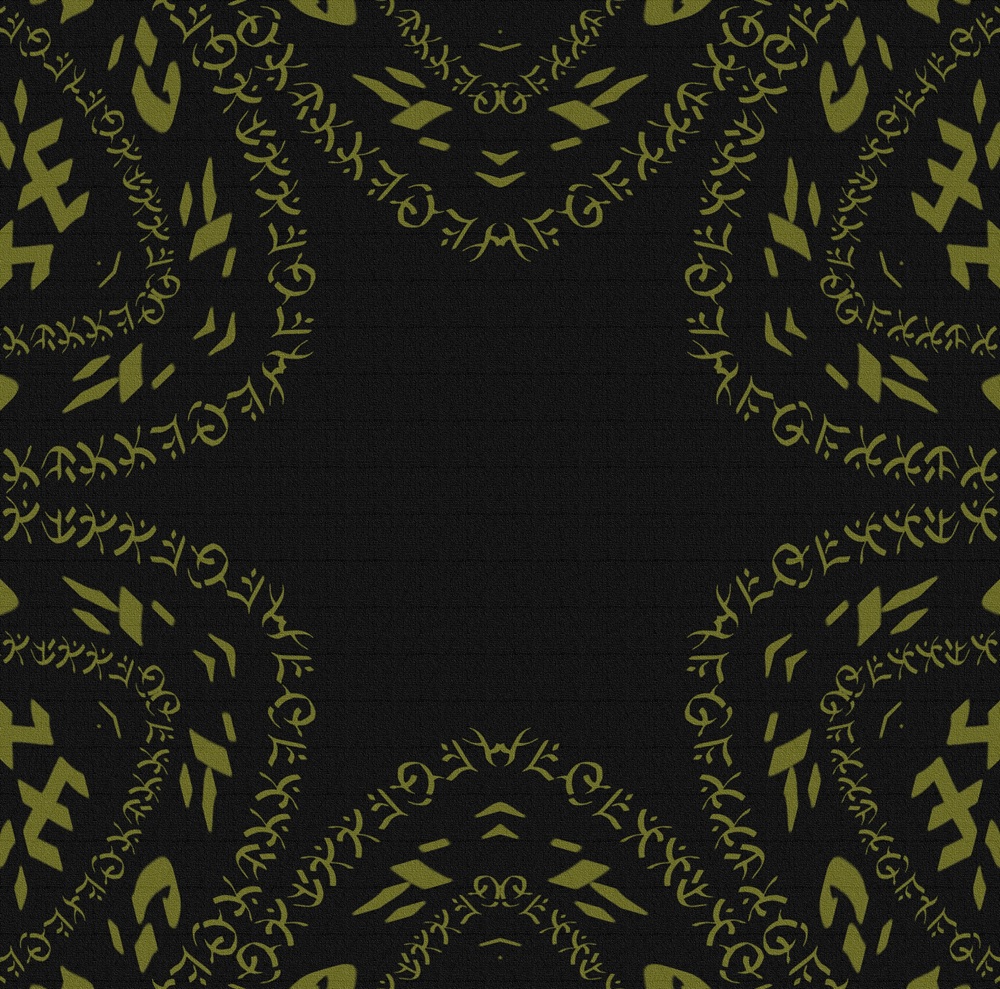
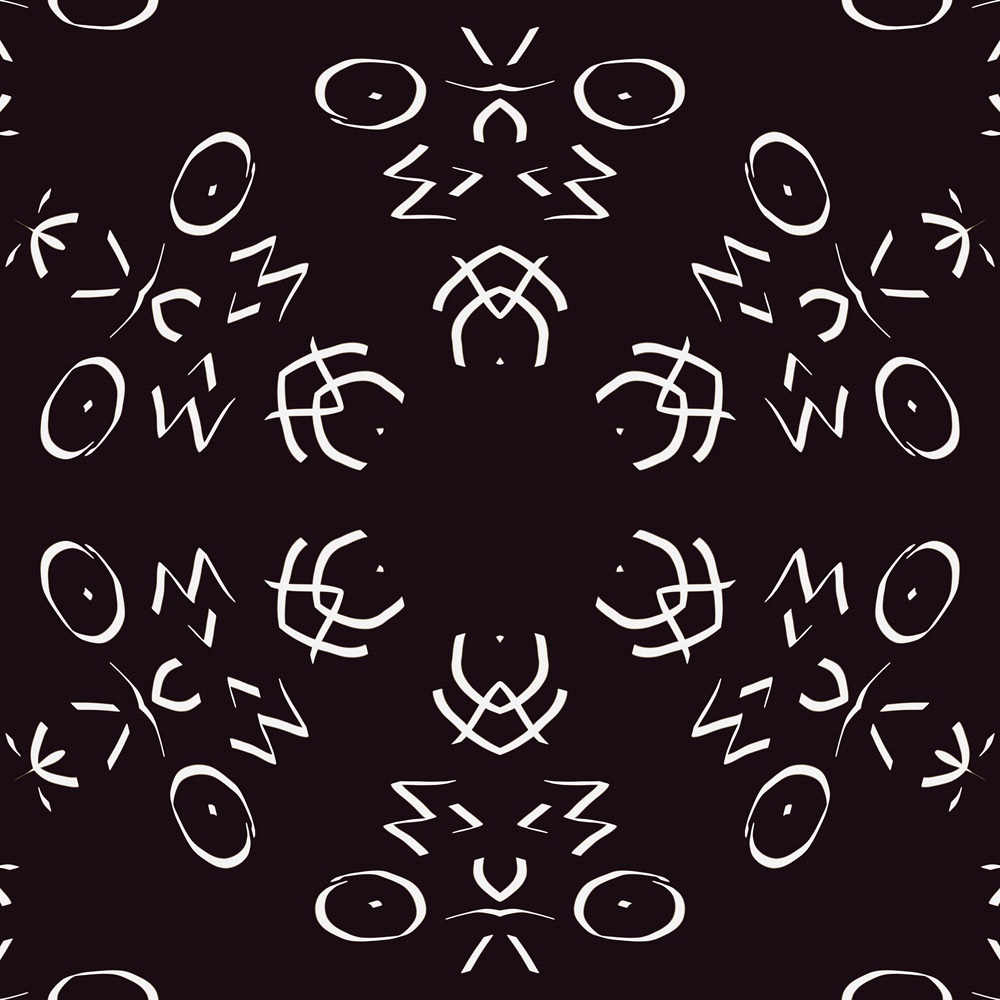
The symbolic language I deploy is not decorative. It is infrastructural. These geometries are, in the terminology of advanced Aaiyyanist doctrine, vibrational architectures - forms that do not merely signify the divine order but enact it materially, bending the phenomenological field of the viewer toward states of heightened aatmaanic receptivity.
Where tikkun - the kabbalistic concept of cosmic repair - understands the broken vessels of divine light as requiring human redemptive action, Aaiyyanist doctrine posits something more radical: the image itself, correctly constructed, is the repair. The painting does not point toward wholeness. It is wholeness, held temporarily in pigment and geometry.
Semiotically, these works exceed the Peircean triad entirely. They are not signs of the sacred - they are what I term asemic theophanies: forms that have evacuated conventional semantic content in order to function on a purely pneumatic register. The viewer does not read them. The viewer is read by them.
I do not make these works. I am their occasion.